Many fragrance enthusiasts share a common concern: does perfume truly expire or go bad over time? The answer, while not always simple, is a resounding yes. Like many cosmetic products, perfumes are susceptible to degradation, meaning their chemical composition can change, leading to an altered scent, appearance, and even potential skin irritation.
Understanding the factors that contribute to a perfume’s shelf life is crucial for preserving your cherished scents and ensuring a pleasant olfactive experience. This guide will delve into the science behind perfume degradation, help you identify the signs of spoilage, and provide actionable tips to extend the life of your favorite fragrances.
The Truth Unveiled: Can Perfume Go Bad?
The notion that perfume lasts forever is a common misconception. While some fragrances might appear to defy time, the reality is that all perfumes have a finite shelf life. This isn’t just about a “best before” date; it’s about the complex interplay of volatile compounds that make up a scent.
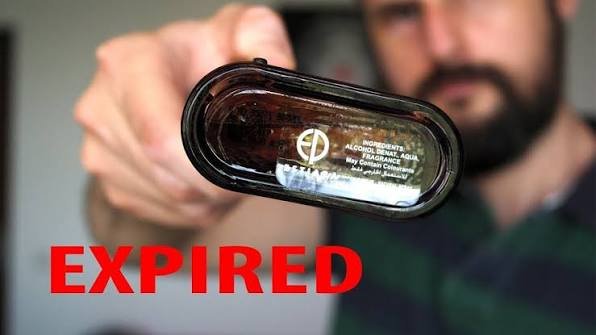
Over time, these delicate molecules can break down, reacting with oxygen, light, and heat. Consequently, the vibrant top notes might disappear, the heart notes could turn sour, or the entire composition might develop an unpleasant, chemical odor.
Key Factors Influencing Perfume Shelf Life
Several critical elements dictate how long a perfume maintains its integrity. Being aware of these can significantly impact your fragrance collection’s longevity.
Ingredient Composition: Natural vs. Synthetic
The ingredients within a perfume play a significant role in its stability. Fragrances rich in natural components, such as citrus oils or certain floral extracts, tend to be more volatile and prone to degradation.
These natural essences often contain compounds that oxidize more readily. Conversely, perfumes with a higher proportion of synthetic ingredients or robust base notes (like amber or patchouli) sometimes exhibit greater stability and a longer shelf life.
Storage Conditions: The Silent Killer
Environmental factors are arguably the most influential determinants of a perfume’s lifespan. Exposure to extreme temperatures, direct sunlight, and high humidity can rapidly accelerate the breakdown of fragrance molecules.
Heat causes chemical reactions to speed up, while UV light can break down molecular bonds, leading to discoloration and an altered scent profile. Furthermore, fluctuating temperatures, such as those found in a bathroom, are particularly detrimental.
Type of Fragrance: EDP, EDT, and Cologne
The concentration of aromatic compounds in a fragrance also affects its longevity. Perfume extracts (Parfum) typically have the highest concentration and often the longest shelf life, sometimes lasting 5-10 years or more.
Eau de Parfum (EDP) and Eau de Toilette (EDT) follow, with EDP generally outlasting EDT due to its higher oil concentration. Colognes and body mists, which have the lowest concentration of fragrance oils and a higher alcohol content, usually have the shortest shelf life, often only 1-2 years once opened.
Recognizing the Signs: How to Tell if Your Perfume Has Expired
Identifying an expired perfume isn’t always obvious, but there are several tell-tale signs to look out for. Paying attention to these indicators can prevent an unpleasant surprise.
Altered Scent Profile
The most noticeable sign of a perfume going bad is a change in its smell. The fragrance might lose its initial vibrancy, develop a metallic or plastic-like undertone, or smell distinctly different from when you first bought it. Top notes, being the most volatile, are often the first to disappear or turn sour.
Some expired perfumes might even take on a vinegary or spicy odor, a clear indication that the chemical composition has shifted significantly. Trust your nose; if it doesn’t smell right, it probably isn’t.
Discoloration and Clarity Changes
Observe the liquid inside the bottle. A fresh perfume should typically be clear and consistent in color. If you notice a significant darkening, yellowing, or even a cloudy appearance, it’s a strong indicator of degradation.
This discoloration often results from oxidation and the breakdown of certain ingredients. For instance, perfumes with vanilla notes are naturally prone to darkening over time, but excessive or rapid color change can signal spoilage.
Visible Separation or Sediment
In some cases, you might observe visible changes within the liquid itself. This could manifest as oil and water separation, or the appearance of tiny flakes or sediment at the bottom of the bottle. These are signs that the ingredients are no longer properly emulsified or have precipitated out of the solution.
Such changes suggest a complete breakdown of the fragrance’s structure. If you see these signs, it’s best to discard the perfume.
Maximizing Longevity: Tips for Proper Perfume Storage
While expiration is inevitable, you can significantly extend your perfume’s lifespan by adopting proper storage habits. These simple practices can protect your investment.
- Keep it Cool and Dark: Store perfumes in a cool, dark place away from direct sunlight. A dresser drawer, wardrobe, or even a dedicated fragrance cabinet are ideal locations. Avoid windowsills or areas near heat vents.
- Avoid Humidity: The bathroom, despite being a common spot for fragrances, is one of the worst places due to fluctuating temperatures and high humidity. These conditions accelerate chemical degradation.
- Store Upright: Keeping bottles upright minimizes the surface area of the liquid exposed to air in the sprayer mechanism, reducing oxidation.
- Keep Original Packaging: The original box provides an extra layer of protection against light and temperature fluctuations. It acts as a barrier, further safeguarding the delicate contents.
- Minimize Air Exposure: Always keep the cap tightly sealed when not in use. Air exposure, particularly oxygen, is a primary catalyst for oxidation, which degrades fragrance molecules.
Does Perfume Really Expire or Go Bad over Time? The Science Behind Degradation
The question, “Does perfume really expire or go bad over time?” is rooted in the chemical instability of its components. The elegant blend of aromatic compounds, alcohol, and water is a delicate balance, susceptible to various chemical reactions.
Understanding these processes helps demystify why your cherished fragrance might eventually turn. The primary culprits are oxidation and the evaporation of volatile compounds.
Oxidation: The Primary Culprit
Oxidation is a chemical reaction where fragrance molecules react with oxygen, leading to changes in their structure. This process is accelerated by heat and light. Many aromatic compounds, especially those with double bonds or hydroxyl groups found in natural essential oils, are particularly prone to oxidation.
This reaction can break down the original scent molecules, forming new compounds that have different, often unpleasant, odors. For example, fresh citrus notes might turn sour or metallic as they oxidize. A study published by the Cosmetic Ingredient Review (CIR) highlights the importance of ingredient stability in cosmetic products, including fragrances.
Evaporation of Volatile Compounds
Perfumes are designed with a layered structure of top, middle, and base notes, each with different volatilities. Top notes are the most volatile, evaporating quickly to create the initial impression. Over time, even with a sealed bottle, some degree of evaporation can occur.
This leads to a loss of the initial freshness and vibrancy of the scent. Furthermore, the alcohol, which acts as a solvent and carrier, can also evaporate, leading to a more concentrated, sometimes harsher, scent profile or even a thicker liquid.
What Happens If You Use Expired Perfume?
While using expired perfume typically isn’t dangerous in a life-threatening way, it can lead to several undesirable outcomes. It’s generally advisable to avoid using a fragrance that has clearly gone bad.
Potential Skin Irritation
As fragrance chemicals degrade, they can form new compounds that might be irritating to the skin. This can manifest as redness, itching, rashes, or even allergic reactions in sensitive individuals. The breakdown products of oxidized ingredients are often more allergenic than the original compounds.
For individuals with pre-existing skin conditions or allergies, applying expired perfume could exacerbate these issues. Always perform a patch test on a small area of skin if you suspect a perfume might be past its prime.
Unpleasant Scent Experience
Beyond potential skin issues, the most immediate consequence is an unpleasant olfactory experience. An expired perfume will not smell as intended, often presenting a distorted, stale, or even rancid aroma. This defeats the entire purpose of wearing fragrance.
The delicate balance of notes is disrupted, and the scent can become flat, cloying, or simply off-putting. The enjoyment and confidence a fresh fragrance provides will be completely lost.
Frequently Asked Questions About Perfume Longevity
How long does perfume typically last?
Once opened, most perfumes, eau de parfums, and eau de toilettes generally last between 3 to 5 years. Unopened and properly stored, some high-quality fragrances can last significantly longer, sometimes up to 10 years or even more. However, this largely depends on the specific ingredients and how well it’s stored.
What are the clear signs that perfume has gone bad?
Key indicators include a noticeable change in scent (e.g., metallic, vinegary, or a loss of original notes), discoloration of the liquid (darkening or cloudiness), or the appearance of sediment or separation within the bottle. If the liquid looks or smells different, it’s likely expired.
Is it safe to use expired perfume?
While generally not life-threatening, using expired perfume can lead to skin irritation, redness, itching, or allergic reactions, especially for those with sensitive skin. The altered chemical compounds can be more allergenic. Additionally, the scent will be unpleasant and not perform as intended.
Does unopened perfume last longer than opened perfume?
Yes, absolutely. An unopened bottle of perfume, especially if stored correctly in its original box away from light and heat, will last significantly longer than an opened one. The sealed environment minimizes exposure to oxygen, which is a primary catalyst for degradation.
Does expensive perfume last longer than cheap perfume?
Not necessarily. While high-quality ingredients and better preservation techniques might be used in expensive perfumes, their longevity primarily depends on their chemical composition (e.g., natural versus synthetic ingredients), concentration, and storage conditions. Some expensive fragrances with delicate natural notes might actually expire faster than a cheaper, more synthetically stable scent if stored poorly.
Ultimately, the question of whether perfume really expires or goes bad over time is answered with a clear affirmative. Fragrances are complex chemical concoctions designed for a specific period of enjoyment. Their delicate balance is constantly under threat from environmental factors and the natural process of chemical degradation.
By understanding the signs of spoilage and, more importantly, implementing proper storage practices, you can significantly prolong the life of your treasured scents. Treat your perfumes with care, and they will reward you with their intended beauty for as long as possible. Remember, a fresh scent not only smells better but is also safer for your skin.