Have you ever considered the silent storyteller behind your favorite fragrance? Beyond the captivating aroma lies an equally compelling narrative etched in glass, crystal, and clay. The perfume bottle, often overlooked, is a miniature work of art, a testament to human ingenuity, and a precise reflection of cultural values and technological advancements across millennia. Understanding the history of perfume bottle design reveals not just a lineage of containers, but an intricate tapestry of art, science, and societal trends that shaped how we experience scent. This article delves into the fascinating evolution of these exquisite vessels, from their humble beginnings to their iconic status today.
Ancient Origins: The Dawn of Scent Vessels
The earliest perfumes were not liquid as we know them today, but fragrant resins, balms, and oils used in religious ceremonies, medicinal practices, and personal adornment. Consequently, the first “perfume bottles” were designed to hold these precious substances, reflecting the rudimentary technologies and available materials of ancient civilizations. Their designs were functional, yet often imbued with symbolic meaning.
Early Civilizations: Form and Function in Antiquity
In ancient Egypt, where perfume played a crucial role in rituals and daily life, containers were crafted from alabaster, stone, and even early forms of glass. These vessels were typically small, practical, and often sealed to preserve the volatile contents. For instance, the Egyptians used kohl pots and unguent jars, sometimes intricately carved with hieroglyphs or figures of deities, emphasizing their sacred significance.
Mesopotamian cultures, too, utilized various materials like clay and stone for their scent containers. The Greeks and Romans, who adopted and expanded upon Egyptian perfumery, preferred small, elegant vessels made from blown glass, terracotta, and even bronze. Roman glassmakers, in particular, pioneered techniques that allowed for more decorative and varied shapes, though still constrained by the era’s technology. These early designs laid the groundwork for future innovations in perfume bottle aesthetics.
The Medieval and Renaissance Eras: Function Meets Embellishment
Following the decline of the Roman Empire, the art of perfumery and bottle design saw a resurgence, particularly in the Islamic world, which preserved and advanced ancient knowledge. As perfumes spread to Europe during the Crusades and through trade routes, the demand for sophisticated containers grew. The Renaissance, a period of immense artistic and scientific flourishing, further transformed the aesthetics of scent vessels.
Practicality and Prestige: Materials of Distinction
During the medieval period in Europe, perfumes were often solid or oil-based, and their containers were practical, often made from metal, leather, or carved wood. These were sometimes worn as pomanders, small perforated containers holding fragrant materials, reflecting a need for portable scents and protection against perceived miasmas. As trade with the East expanded, exotic materials like porcelain and rock crystal began to appear.
By the Renaissance, the emphasis shifted towards showcasing the owner’s wealth and status. Perfume bottles became increasingly ornate, often crafted from precious metals like silver and gold, inlaid with jewels, or carved from semi-precious stones. These were not merely containers; they were objets d’art, displayed prominently in aristocratic homes, signifying luxury and refinement.
The Rise of Glassmaking: Venetian Mastery
The true turning point for perfume bottle design arrived with advancements in glassmaking, particularly in Venice. Venetian glass artisans, especially those on the island of Murano, perfected techniques for creating delicate, beautifully colored, and intricately shaped glass. Their mastery allowed for thinner walls, more elaborate forms, and a wider palette of colors, making glass the material of choice for perfume flacons.
These exquisite Venetian glass bottles, often adorned with filigree, enameling, or even gold leaf, became highly sought after across Europe. They represented a fusion of artistry and innovation, setting new standards for elegance and craftsmanship in the presentation of fragrances. Consequently, the prestige associated with these bottles elevated the status of perfume itself.
The 18th and 19th Centuries: Opulence and Industrialization
The Age of Enlightenment and the subsequent Industrial Revolution brought dramatic changes to society, art, and manufacturing. These shifts profoundly influenced perfume bottle design, moving from handcrafted exclusivity to more accessible, yet still beautiful, forms.
Rococo and Neoclassical Styles: Delicate Forms and Grandeur
The 18th century saw the emergence of the Rococo style, characterized by its playful, ornate, and asymmetrical designs. Perfume bottles of this era often featured whimsical shapes, delicate floral motifs, and intricate detailing, reflecting the lighthearted elegance of the aristocracy. Materials like porcelain (from Meissen and Sèvres), enamel, and cut crystal became popular, allowing for exquisite miniature sculptures.
Also Read: Can Perfume Cause a Skin Rash? Causes & Relief
Following Rococo, the Neoclassical style brought a return to classical antiquity’s grandeur and symmetry. Perfume bottles adopted more structured, elegant forms, often inspired by Greek and Roman columns, urns, and mythological figures. These designs conveyed a sense of timeless beauty and refined taste, appealing to a more restrained, yet still opulent, aesthetic.
Industrial Revolution’s Impact: Mass Production and New Possibilities
The 19th century witnessed the transformative power of the Industrial Revolution. New manufacturing techniques, particularly in glass production, made it possible to produce perfume bottles more efficiently and affordably. Mold-blown glass became commonplace, allowing for consistent shapes and patterns. This democratization meant that perfume, once an exclusive luxury, started to become accessible to a broader middle class.
Despite mass production, artistry was not entirely lost. Companies began to brand their bottles, incorporating distinctive designs that would become recognizable. The late 19th century also saw the emergence of Art Nouveau, an artistic movement that embraced organic forms, flowing lines, and natural motifs, which translated beautifully into perfume bottle aesthetics, creating truly unique and flowing designs.
The Golden Age of Perfume Bottles (20th Century)
The 20th century is often considered the zenith of perfume bottle design, largely due to the collaboration between renowned perfumers, visionary glassmakers, and celebrated artists. This era saw the creation of some of the most iconic and enduring bottle designs in history.
Iconic Designers and Houses: Crafting Legacies
Artists like René Lalique, a master glassmaker, revolutionized perfume packaging. His collaborations with perfumers like François Coty resulted in breathtaking bottles that were integral to the perfume’s identity. Lalique’s designs, characterized by frosted glass, intricate relief work, and elegant symbolism, turned perfume bottles into collectible art pieces. Baccarat, another prestigious glass manufacturer, also produced exquisite bottles for elite fragrance houses, known for their precision and brilliance.
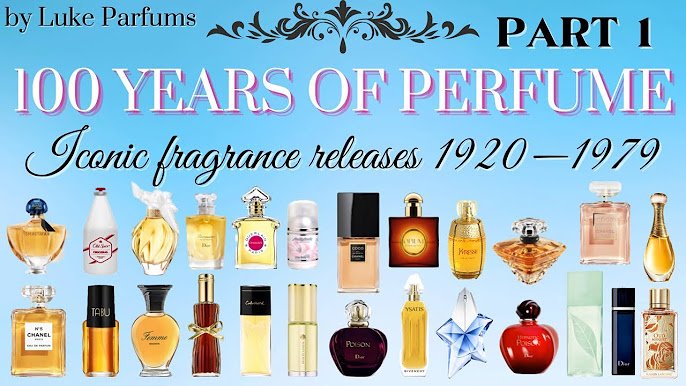
The launch of Chanel No. 5 in 1921 marked a pivotal moment. Coco Chanel famously insisted on a simple, rectangular bottle, breaking away from the ornate designs of the past. This minimalist approach, inspired by men’s toiletry bottles, was a radical statement that emphasized the scent itself, not just its container. This design became a timeless icon, proving that simplicity could be profoundly sophisticated. Other houses like Guerlain also created distinctive and memorable flacons, each telling a unique story.
The Influence of Fashion and Art: Modernism and Minimalism
The mid-20th century saw perfume bottle designs continue to evolve with prevailing art and fashion trends. Art Deco, with its geometric shapes, bold lines, and luxurious materials, influenced bottles throughout the 1920s and 30s. Post-war modernism brought a sleek, minimalist aesthetic, focusing on clean lines and functional elegance, echoing the broader design movements of the time.
As the century progressed, designs became even more diverse, ranging from abstract forms to playful, sculptural creations. The bottle became an extension of the brand’s identity and the fragrance’s personality, often designed by celebrated artists and industrial designers, further solidifying its status as an art form.
Contemporary Perfume Bottle Design: Innovation and Sustainability
Today, perfume bottle design continues its dynamic evolution, driven by technological advancements, changing consumer preferences, and a growing emphasis on environmental responsibility. The modern era blends heritage with innovation, pushing boundaries in both aesthetics and ethics.
Digital Design and Customization: The Personal Touch
The advent of digital design tools and advanced manufacturing techniques has opened new frontiers. Designers can now create incredibly complex and precise shapes that were once impossible. This allows for highly personalized and intricate designs, catering to niche markets and individual tastes. Some brands even offer customization services, allowing consumers to engrave bottles or choose unique caps, adding a personal touch to their fragrance experience.
Furthermore, 3D printing and other rapid prototyping methods enable designers to iterate quickly, bringing novel concepts to life faster than ever before. This flexibility fosters a new wave of creativity, ensuring that perfume bottles remain at the forefront of product design.
Eco-Conscious Craftsmanship: A Sustainable Future
In an increasingly environmentally aware world, sustainability has become a critical factor in contemporary perfume bottle design. Brands are now focusing on creating bottles that are not only beautiful but also responsible. This includes using recycled glass, developing refillable systems, and designing components that can be easily disassembled for recycling.
Many luxury brands are introducing elegant refillable flacons, encouraging consumers to repurchase the fragrance rather than discard the entire bottle. Lightweight materials, minimalist packaging, and the elimination of unnecessary plastic components are also becoming standard practices. This shift reflects a broader commitment to reducing environmental impact while maintaining the allure and prestige associated with fine fragrances. Organizations like the Fragrance Foundation are actively promoting sustainable practices within the industry, encouraging innovation in eco-friendly design.
Frequently Asked Questions About Perfume Bottle Design
What materials were used for the earliest perfume bottles?
The earliest perfume bottles, dating back to ancient civilizations like Egypt and Mesopotamia, were crafted from readily available natural materials. These included alabaster, various stones (such as serpentine or onyx), clay, terracotta, and early forms of blown or carved glass. Animal horns and shells were also occasionally utilized for holding fragrant oils and balms.
How did the Industrial Revolution change perfume bottle design?
The Industrial Revolution significantly transformed perfume bottle design by introducing mass production techniques. Advancements in glass manufacturing, particularly mold-blown glass, allowed for the rapid and cost-effective creation of uniform bottles. This made perfume more accessible to a wider population, moving it from an exclusive luxury to a more common household item. While some artisanal quality was lost, it also spurred brands to create distinctive, recognizable designs for their products.
Who are some famous designers associated with iconic perfume bottles?
Several designers and glass houses have left an indelible mark on perfume bottle history. René Lalique is perhaps the most renowned, known for his exquisite glass artistry and collaborations with perfumers like Coty in the early 20th century. Other notable names include Baccarat, a legendary crystal manufacturer that produced bottles for many luxury brands, and designers who worked for houses like Guerlain and Chanel, whose minimalist No. 5 bottle became a timeless icon. The Victoria and Albert Museum provides excellent resources on historical glass design and its impact on decorative arts. Learn more about glass history at the V&A.
What is the significance of the Chanel No. 5 bottle design?
The Chanel No. 5 bottle, designed in 1921, holds immense significance for its revolutionary simplicity. At a time when perfume bottles were typically ornate and elaborate, Coco Chanel chose a stark, rectangular, almost pharmaceutical-looking bottle. This minimalist design was a radical departure, emphasizing the modernity of the fragrance itself rather than decorative excess. It became a symbol of timeless elegance and sophistication, proving that a bottle’s power could lie in its understated confidence and clean lines. This approach influenced countless subsequent designs, cementing its place in design history. The Metropolitan Museum of Art showcases many iconic design pieces, including those that influenced modern aesthetics. Explore more about iconic designs at The Met.
How is sustainability influencing modern perfume bottle design?
Sustainability is a major driver in contemporary perfume bottle design, pushing brands towards more eco-friendly practices. This includes using recycled and recyclable materials, such as post-consumer recycled glass, and designing refillable bottles to reduce waste. Many brands are also focusing on lightweight designs, reducing unnecessary components, and exploring biodegradable materials for packaging. The aim is to minimize the environmental footprint of perfume production and consumption, aligning with broader global efforts towards a circular economy. The Environmental Protection Agency (EPA) offers insights into sustainable materials management. Discover more about sustainable materials management from the EPA.
The Enduring Legacy of Scent Presentation
From the rudimentary alabaster jars of ancient Egypt to the sleek, sustainable designs of today, the history of perfume bottle design is a compelling saga of human creativity and innovation. These vessels are far more than mere containers; they are cultural artifacts, artistic expressions, and powerful branding tools. Each era has left its unique imprint, reflecting prevailing aesthetics, technological capabilities, and societal values.
The journey of the perfume bottle underscores its integral role in the allure of fragrance. It reminds us that the visual appeal of a product is often as captivating as its sensory experience. As we look to the future, designers will undoubtedly continue to push boundaries, blending cutting-edge technology with timeless artistry, ensuring that the humble perfume bottle remains a cherished symbol of beauty, luxury, and thoughtful design. The story of scent, truly, is inseparable from the story of its vessel.
Pingback: How Is Perfume Made? Inside the Fragrance-Making Process