Few things are as frustrating as discovering an unsightly perfume stain on your favorite garment. That beautiful fragrance, designed to enhance your presence, can sometimes leave behind stubborn oily marks or discoloration, turning a cherished item into a wardrobe dilemma. Fortunately, effectively removing perfume stains from clothes is entirely possible with the right approach and a little patience.
This comprehensive guide will walk you through proven methods, essential supplies, and crucial tips to restore your fabrics to their pristine condition. We’ll cover everything from immediate action to tackling dried-on marks, ensuring you have the knowledge to save your clothing.
Understanding Perfume Stains: Why They Occur
Perfume stains aren’t just about color; they often involve an oily residue. Most perfumes contain a blend of essential oils, synthetic aroma compounds, alcohol, and sometimes dyes. When sprayed directly onto fabric, especially from a close distance, the oils and dyes can penetrate the fibers.
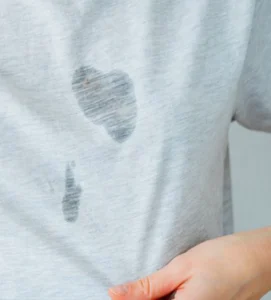
The alcohol usually evaporates quickly, but the concentrated oils and any colorants remain. Consequently, these components can leave behind a greasy mark or a discolored patch, which becomes more set over time or with heat exposure.
The Science Behind Fragrance and Fabric Interaction
Fabrics are essentially networks of fibers. Natural fibers like cotton and silk are highly absorbent due to their porous structure, making them more susceptible to soaking up perfume oils and dyes. Synthetic fibers, such as polyester or nylon, are less absorbent but can still trap oils and dyes, especially if the perfume contains strong colorants or is applied heavily.
Furthermore, the chemical composition of some perfume ingredients can react with fabric dyes, leading to bleaching or permanent discoloration, particularly on delicate or darkly colored garments. Therefore, understanding the fabric type is crucial for choosing the correct removal method.
Also Read about: Why Is 2-Ethylhexyl Used in Perfume?
Immediate Action: The First Steps to Take
Time is of the essence when dealing with perfume stains. The sooner you act, the higher your chances of complete removal. Do not rub the stain, as this can spread the oil and push it deeper into the fabric fibers, making it harder to remove.
Instead, gently blot the affected area with a clean, dry cloth or paper towel to absorb any excess liquid. This initial step is critical for preventing the stain from setting.
Gathering Your Essential Stain Removal Supplies
Before you begin the cleaning process, ensure you have the necessary tools at hand. Having everything ready will streamline the process and prevent interruptions.
- Clean, white cloths or paper towels (avoid colored cloths that might transfer dye)
- Liquid laundry detergent (clear, enzyme-based is best)
- White vinegar
- Baking soda or cornstarch
- Rubbing alcohol (isopropyl alcohol) or uncolored hand sanitizer
- Glycerin (optional, for stubborn oil)
- Oxygen-based bleach (color-safe, for white or colorfast fabrics)
- A soft-bristled brush (like an old toothbrush)
- Access to cold water
Step-by-Step Methods for Different Fabric Types
The approach to removing perfume stains varies significantly depending on the fabric. Always check the garment’s care label before proceeding, as this will dictate appropriate washing temperatures and methods. For comprehensive care label guidance, refer to resources like the Federal Trade Commission’s care labeling rules.
Delicate Fabrics (Silk, Rayon, Acetate)
Delicate fabrics require a gentle touch to avoid damage. Harsh chemicals or aggressive scrubbing can ruin these materials.
- Blot Excess: As mentioned, gently blot any wet perfume with a clean cloth.
- Apply Glycerin (Optional): For oily stains, a small dab of pure glycerin can help emulsify the oil. Let it sit for 15-30 minutes.
- Spot Treat with Mild Soap: Mix a tiny amount of mild, clear liquid dish soap or delicate laundry detergent with water. Apply this solution to the stain using a clean cloth, gently dabbing.
- Rinse Carefully: Rinse the area thoroughly with cool water, either by dabbing with a damp cloth or gently flushing under a faucet.
- Air Dry: Lay the garment flat on a clean towel or hang it to air dry. Avoid direct heat, which can set residual stains.
Washable Fabrics (Cotton, Linen, Synthetics)
For more robust, washable materials, you can be a bit more assertive with your cleaning methods. This is often the most common scenario when trying to remove perfume stains from clothes.
- Absorb Oil: Sprinkle baking soda, cornstarch, or talcum powder generously over the stain. These powders are excellent for absorbing oils. Allow it to sit for at least 30 minutes, or even overnight for older stains.
- Brush Off Powder: Gently brush off the powder using a soft-bristled brush or an old toothbrush.
- Pre-Treat with Detergent: Apply a small amount of clear liquid laundry detergent directly onto the stain. Gently rub it in with your fingers or the soft brush. Allow it to penetrate for 5-10 minutes. For effective stain removal tips, resources like the American Cleaning Institute’s stain guide can be very helpful.
- Soak (Optional): For stubborn stains, you can soak the garment in a basin of cool water with a capful of laundry detergent for 30 minutes to an hour.
- Wash as Usual: Wash the garment according to its care label instructions, using the warmest water safe for the fabric. Add an oxygen-based bleach to the wash cycle if the fabric is white or colorfast.
- Inspect Before Drying: Crucially, check the garment before putting it in the dryer. If the stain persists, repeat the treatment. Heat from a dryer will permanently set the stain.
Also read this: What Makes a Perfume Smell Musky?
Dry-Clean Only Items
For garments labeled “dry-clean only,” it’s generally best to consult a professional cleaner. Trying to treat these at home can lead to damage. If you must attempt it, proceed with extreme caution.
- Blot Gently: Blot any fresh liquid with a clean, dry cloth.
- Spot Treat with Solvent: Lightly dab the stain with a clean cloth dampened with rubbing alcohol or a dry-cleaning solvent. Test in an inconspicuous area first.
- Air Dry: Allow the area to air dry completely. Do not rub or saturate the fabric.
- Professional Help: If the stain remains, take the garment to a professional dry cleaner and point out the stain, informing them it’s a perfume mark.
Tackling Stubborn or Dried Perfume Marks
Dried perfume stains, especially those with an oily component, can be more challenging but are not impossible to remove. Persistence is key.
- Rehydrate and Absorb: Dampen the stain slightly with water, then reapply baking soda or cornstarch. Let it sit for several hours or overnight to draw out the oil.
- Rubbing Alcohol Treatment: For persistent oily residue or discoloration, dab the stain with a clean cloth soaked in rubbing alcohol. Alcohol can help break down the oils and dyes. Always test on an inconspicuous area first, especially on colored fabrics, as it can sometimes lift dye.
- White Vinegar Soak: For discoloration or lingering odors, soak the stained area in a solution of one part white vinegar to two parts cold water for 30 minutes. Vinegar is excellent for breaking down residues and deodorizing.
- Repeat Treatment: If the stain persists after the first wash, do not dry the garment. Repeat the pre-treatment and washing steps until the stain is gone.
Preventing Future Perfume Stains
Prevention is always better than cure. By adopting a few simple habits, you can significantly reduce the likelihood of perfume stains.
- Spray Before Dressing: Apply perfume to your skin before putting on your clothes. This allows the alcohol to evaporate and the fragrance to settle on your skin, not your fabric.
- Maintain Distance: If you must spray perfume while dressed, hold the bottle at least 6-8 inches away from your clothing. This creates a fine mist that disperses more evenly.
- Avoid Delicate Fabrics: Be extra cautious when wearing silk, rayon, or other delicate materials, as they are more prone to staining and damage from perfume.
- Check for Dyes: Some perfumes contain visible dyes. Opt for clear perfumes if you frequently spray on clothes, or be extra careful with colored fragrances.
Common Mistakes to Avoid During Removal
Mistakes made during stain removal can often worsen the problem or cause permanent damage to your clothing. Avoid these common pitfalls:
- Rubbing the Stain: This pushes the stain deeper into the fabric fibers. Always blot gently.
- Using Hot Water First: Heat can set many types of stains, including oil-based perfume marks. Always start with cold or cool water.
- Drying Before Stain is Gone: As emphasized, never put a stained garment in the dryer. The heat will bake the stain into the fabric, making it virtually impossible to remove.
- Using Bleach on Colored Fabrics: Chlorine bleach will strip color from most fabrics. Only use color-safe or oxygen-based bleach on appropriate garments.
- Ignoring Care Labels: Always check your garment’s care label. Ignoring these instructions can lead to irreversible damage. For further guidance on fabric care, resources like those from university extension services offer valuable advice.
When to Seek Professional Help
There are instances when despite your best efforts, a perfume stain just won’t budge, or the fabric is too delicate for home treatment. If the garment is expensive, sentimental, or made of a complex blend of fibers, taking it to a professional dry cleaner is often the wisest decision.
Professional cleaners have access to specialized solvents and cleaning techniques that are more effective and safer for certain fabrics. Always inform them about the nature of the stain and the type of perfume involved for the best results.
Frequently Asked Questions About Perfume Stains
Can perfume stains be permanently removed from all types of clothing?
While most perfume stains can be effectively removed, success often depends on the fabric type, the age of the stain, and the specific composition of the perfume. Delicate fabrics like silk or rayon, and older, set-in stains, can be more challenging. However, with the right techniques and prompt action, even stubborn marks can often be completely eliminated.
What’s the best first step for a fresh perfume stain?
For a fresh perfume stain, the best first step is to gently blot the area with a clean, dry, white cloth or paper towel. This helps to absorb any excess liquid and prevent the perfume oils from spreading or soaking deeper into the fabric. Avoid rubbing, as this can worsen the stain.
Will rubbing alcohol damage my clothes when removing perfume stains?
Rubbing alcohol can be effective for breaking down the oils and dyes in perfume stains. However, it’s crucial to test it on an inconspicuous area of the garment first, especially on colored or delicate fabrics. Alcohol can sometimes strip color or damage certain materials, so always proceed with caution and use it sparingly.
Why should I avoid putting a stained garment in the dryer?
Putting a garment with a perfume stain (or most other stains) into a hot dryer will permanently set the stain. The heat from the dryer causes the oils and dyes to bond with the fabric fibers, making it extremely difficult, if not impossible, to remove afterward. Always ensure the stain is completely gone before tumble drying.
Can home remedies like baking soda or vinegar truly remove perfume stains?
Yes, baking soda and white vinegar are highly effective home remedies for perfume stains. Baking soda or cornstarch works by absorbing the oily components of the perfume. White vinegar, on the other hand, helps to break down residues and neutralize odors. They are excellent, natural options for pre-treatment and soaking, especially for washable fabrics.
Conclusion
Perfume stains, while initially disheartening, do not have to spell the end for your cherished clothes. By understanding the nature of these marks and applying the appropriate removal techniques, you can effectively restore your garments. Remember, prompt action, careful fabric assessment, and the right cleaning agents are your best allies in this process.
Whether you’re dealing with a fresh splash or a dried-on mark, the methods outlined in this guide provide a clear path to success. By following these expert tips and knowing when to seek professional assistance, you can confidently tackle perfume stains and keep your wardrobe looking its best. With a little effort, your clothes will be fresh, clean, and ready to wear once more.
Pingback: Fragrance Families Explained: Find Your Signature Scent
Pingback: Middle Notes in Perfume: What They Are & How They Work