The allure of a luxurious fragrance is undeniable, promising an invisible accessory that speaks volumes. However, the market is unfortunately flooded with counterfeit perfumes, leaving many consumers disappointed and out of pocket. Learning how to spot fake perfume vs the real thing is an essential skill for any discerning buyer, protecting both your wallet and your skin from potentially harmful imitations.
This comprehensive guide will equip you with the knowledge to confidently distinguish genuine scents from their deceptive counterparts, ensuring you invest in authentic quality every time.
The Allure of Authenticity vs. The Peril of Counterfeits
The global fragrance market is a multi-billion dollar industry, making it a prime target for counterfeiters. These illicit operations often produce convincing replicas that can trick even experienced buyers.
The Growing Threat of Fake Fragrances
Counterfeit perfumes are not just poor imitations; they represent a significant threat to consumers. They frequently contain unregulated ingredients, which can lead to skin irritations, allergic reactions, or other health concerns.
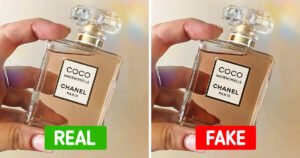
Furthermore, these fake products undermine the integrity of legitimate brands and contribute to a shadow economy. Recognizing the signs of a counterfeit is therefore crucial for personal safety and ethical purchasing.
Why Authenticity Matters Beyond Scent
Purchasing an authentic fragrance guarantees a meticulously crafted product, ensuring a complex scent profile and appropriate longevity. Genuine perfumes are developed by master perfumers using high-quality, safe ingredients.
Conversely, fake fragrances often possess a flat, one-dimensional smell that quickly fades or even turns unpleasant. Their chemical composition is unknown, posing risks that far outweigh any perceived savings.
The First Line of Defense: Packaging and Presentation
Before you even open the box, the packaging itself offers numerous clues about a perfume’s authenticity. Genuine brands invest heavily in their presentation, so any deviation should raise a red flag.
Scrutinizing the Outer Box
- Cellophane Wrap: Authentic perfumes typically feature a tightly sealed, professional cellophane wrap that is neatly folded and adheres snugly to the box. Loose, poorly sealed, or crinkled cellophane often indicates a fake.
- Box Quality: Real perfume boxes are made from high-quality cardboard, often with intricate designs and embossing. Look for crisp graphics, clear text, and precise edges. Fakes often have flimsy cardboard, blurry printing, or inconsistent coloring.
- Batch Codes: A genuine perfume box will have a batch code printed or embossed on its bottom. This code should perfectly match the batch code found on the perfume bottle itself. Absence of a code or a mismatch is a strong indicator of a counterfeit.
- Information Accuracy: Check for spelling errors, grammatical mistakes, or incorrect brand logos. Reputable brands maintain impeccable standards, so even minor inaccuracies are suspicious.
Examining the Bottle Design and Quality
- Glass Quality: Authentic perfume bottles are crafted from smooth, high-quality glass, often with a flawless finish. Counterfeits may have rough seams, bubbles in the glass, or an overall cheap appearance.
- Cap and Atomizer: The cap of a genuine perfume should fit snugly and securely, often with a satisfying click. The atomizer should be well-integrated and spray a fine, even mist. Fakes often have loose caps, cheap plastic atomizers, or a weak, sputtering spray.
- Tubing: The tube inside the bottle, which draws the perfume up, should be clear, thin, and extend directly to the bottom of the bottle. If it’s noticeably long, curved, or poorly cut, it’s likely a fake.
- Engravings and Labels: High-end perfumes often feature engraved brand names or labels affixed perfectly straight. Examine these closely for precision and quality; any crooked labels or poorly etched details suggest a counterfeit.
Decoding the Scent: The Olfactory Journey
Ultimately, a perfume’s true nature is revealed through its fragrance. This is where counterfeiters often fall short, struggling to replicate the complexity of an authentic blend.
The Complex Layers of Real Perfume
Genuine perfumes are designed with a three-tiered scent pyramid: top, middle (heart), and base notes. These layers unfold over time, creating a rich, evolving fragrance experience. The Fragrance Foundation explains this intricate process, highlighting the expertise involved in creating a balanced scent.
Therefore, an authentic scent will evolve on your skin, revealing different facets as the hours pass. This complexity is extremely difficult for counterfeiters to replicate effectively.
Also Read about: Benzoin in Perfume: Uses, Benefits & Scent
The Flatness of a Fake Fragrance
Fake perfumes typically lack this intricate layering. They often present a strong, alcohol-heavy top note that quickly fades, leaving behind a simple, often unpleasant or chemical smell.
The absence of distinct middle and base notes is a tell-tale sign of an imitation. The fragrance remains static, failing to develop or transform on the skin as a genuine perfume would.
Longevity and Sillage: A Key Indicator
Authentic perfumes, especially Eau de Parfum or Extrait de Parfum concentrations, are designed for lasting power. They should project a moderate sillage (the trail of scent left behind) and remain detectable for several hours.
Counterfeit fragrances, conversely, tend to disappear very quickly, often within an hour or two. Their poor quality ingredients simply lack the molecular structure to adhere and diffuse effectively.
Unmasking the Details: Batch Codes and Serial Numbers
Batch codes are a crucial security feature that can help you verify the authenticity of a product. They provide a unique identifier for each production run.
Cross-Referencing for Verification
As mentioned, the batch code on the box must match the one on the bottle. Furthermore, you can use online batch code checkers (often provided by third-party sites or directly by brands) to verify the production date of your perfume. CheckFresh is one such resource that helps verify production dates.
Inconsistencies or an inability to find the batch code online should immediately raise suspicion. Genuine brands maintain meticulous records of their products.
You might interested in: What Are Top Notes in Perfume? Explained Simply
Location of Codes
Batch codes are typically etched, printed, or stickered onto the bottom of the perfume bottle and the bottom of the box. They are usually a combination of letters and numbers.
Ensure these codes are clear, legible, and appear professionally applied. Any smudged, poorly printed, or easily removable codes are red flags.
The Purchase Point: Where You Buy Matters
The environment in which you purchase your perfume significantly influences its authenticity. Choosing reputable sources is paramount in avoiding counterfeits.
Authorized Retailers and Reputable Stores
Always purchase perfumes from authorized department stores, official brand boutiques, or well-known, reputable beauty retailers. These outlets source directly from the brands and guarantee authenticity.
While their prices might be higher, you are paying for the assurance of a genuine product and the peace of mind that comes with it. Trustworthy retailers prioritize customer satisfaction and brand integrity.
The Risks of Online Marketplaces and Unverified Sellers
Online marketplaces and independent sellers, especially those on social media platforms, are hotspots for counterfeit goods. While some might be legitimate, the risk of encountering fakes is significantly higher.
Exercise extreme caution when buying from unknown online sources. Always check seller reviews, return policies, and look for clear signs of authenticity in product descriptions and images.
Red Flags in Pricing and Promotions
If a deal seems too good to be true, it almost certainly is. Authentic luxury perfumes rarely go on sale for drastic discounts, especially new or popular releases.
Unusually low prices, especially for high-end brands, are a major indicator of a fake. Counterfeiters lure buyers with irresistible prices, preying on the desire for a bargain.
Practical Tips for Verifying Your Purchase
Even with all the knowledge, making a final decision can sometimes be challenging. A few additional steps can help solidify your confidence.
Research Before You Buy
Before making a purchase, familiarize yourself with the specific perfume you intend to buy. Visit the brand’s official website to see high-resolution images of the packaging and bottle.
Take note of the font, logo placement, and any unique design elements. This prior research will make it easier to spot discrepancies in person.
Also Read this: Perfume Concentration Levels Explained: A Complete Guide
Trust Your Instincts
If something feels off about the product, the seller, or the purchasing environment, listen to your gut. A slight hesitation or an uneasy feeling is often your subconscious picking up on subtle warning signs.
It’s always better to walk away from a suspicious deal than to regret buying a counterfeit. Your health and satisfaction are worth more than a questionable saving.
How to Spot Fake Perfume Vs the Real Thing: A Comprehensive Checklist
- Packaging Quality: Is the cellophane tight and neat? Is the box sturdy with clear, crisp printing?
- Batch Codes: Does the code on the box match the bottle? Can it be verified online?
- Bottle Craftsmanship: Is the glass smooth and flawless? Does the cap fit perfectly? Is the atomizer high quality?
- Scent Profile: Does the fragrance have distinct top, middle, and base notes? Does it evolve over time?
- Longevity: Does the scent last for several hours on the skin, or does it quickly fade?
- Purchase Source: Are you buying from an authorized retailer or a reputable seller?
- Price Point: Is the price significantly lower than market value for the genuine product?
Frequently Asked Questions About Spotting Fake Perfume
Can fake perfumes cause skin irritation or health issues?
Yes, absolutely. Counterfeit perfumes often contain unregulated, cheap, and potentially harmful chemicals, including industrial solvents or contaminated alcohol. These ingredients can cause allergic reactions, rashes, headaches, respiratory issues, or other serious health problems. It’s a significant risk to your well-being, far beyond just a bad scent.
Are there any specific brands that are more commonly counterfeited?
High-demand, popular luxury brands are most frequently targeted by counterfeiters. Brands like Chanel, Dior, Creed, Tom Ford, and Versace are often replicated due to their prestige and high price points. Always be extra vigilant when purchasing fragrances from these well-known designers, especially from unofficial channels.
What should I do if I suspect I’ve bought a fake perfume?
If you suspect you’ve purchased a counterfeit, stop using it immediately to avoid potential health risks. Try to return it to the seller if possible, and report the seller to the platform (if an online marketplace) or to consumer protection agencies. You can also inform the brand directly, as they often track counterfeit operations. USA.gov provides resources for reporting scams and fraud.
Can I tell a fake perfume just by smelling it?
While the scent is a major indicator, relying solely on smell can be tricky, especially for those less experienced with fragrances. Fakes often have an initial strong, alcohol-heavy blast that quickly dissipates, lacking the complex layers and longevity of a real perfume. However, it’s best to combine scent evaluation with a thorough inspection of the packaging and bottle for a definitive conclusion.
Why do some online retailers sell perfumes at significantly lower prices than department stores?
Some legitimate online discount retailers operate with lower overheads and purchase in bulk, allowing them to offer slightly reduced prices. However, if the discount is dramatically large (e.g., 50-70% off a new release), it’s a significant red flag. Always verify the retailer’s reputation and authenticity guarantees. The Better Business Bureau can be a helpful resource for checking retailer credibility.
Conclusion
Navigating the complex world of fragrances requires vigilance and an informed approach, especially when seeking to understand how to spot fake perfume vs the real thing. Counterfeit products not only diminish the luxurious experience but also pose tangible risks to your health. By carefully examining the packaging, scrutinizing the bottle’s craftsmanship, and discerning the intricate layers of the scent itself, you empower yourself to make intelligent purchasing decisions.
Remember that authenticity is not merely about brand prestige; it’s about quality, safety, and the true artistry of perfumery. Always prioritize buying from reputable sources and trust your instincts when a deal seems too good to be true. With these insights, you can confidently build a collection of genuine fragrances, ensuring every spritz brings joy and sophistication.